Bpc-157 And Tb-500
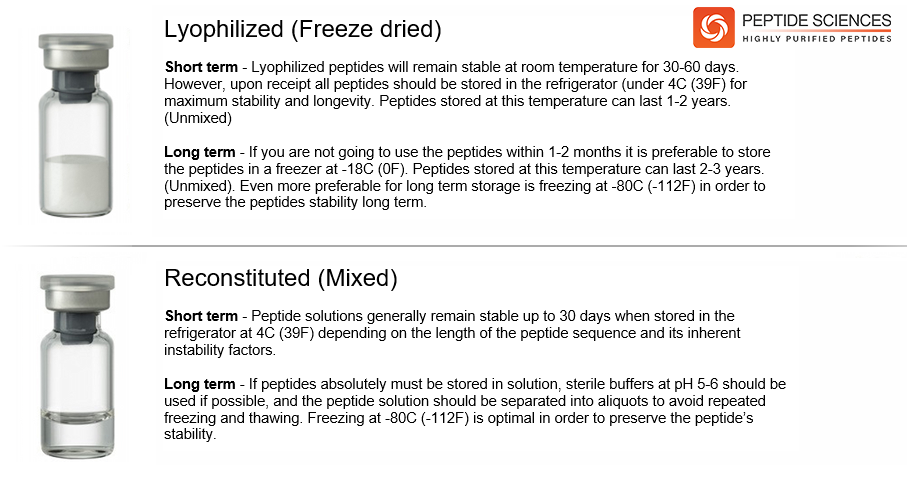
Bpc-157 Peptide Treatment BPC 157 peptide therapy might sustain development variables such as vascular endothelial development aspect, assisting to advertise muscle and tendon recovery, accelerate recuperation from physical strain, and boost overall reconstruction and efficiency. Body-protective compound (BPC) 157 is a peptide separated from human stomach juice (Sikiric et al., 1993). BPC157 consists of 15 amino acids (Gly-Glu-Pro-Pro-Pro-Pro-Gly-Lys-Pro-Ala-Asp-Asp-Ala-Gly-Leu-Val) and has a molecular weight of 1419 Da. Likewise called BPC-15, PL-10, PLD-116, or PL14736 (Keremi et al., 2009), BPC157 has actually shown amazing possibility as a therapeutic agent for serious injury and anxiety damages and can advertise the healing of injuries, ligament injuries, ligament injuries, and cracks. Aside from its protective impact against several body organ injuries, BPC157 has likewise demonstrated cytoprotective (Sikiric et al., 2018) and anti-inflammatory residential or commercial properties and plays a role in keeping epithelial stability (Mota et al., 2018). https://finnlnpl462.clarionvale.com/posts/how-to-store-peptides-after-reconstitution-for-maximum-potency Although the mechanism of action of BPC157 continues to be vague, BPC157 has demonstrated substantial impacts at really low dosages with excellent security (Sikiric et al., 2018).
Does BPC-157 assist joint inflammation pain?
A peer-reviewed article (Lee et al., Different Therapies in Wellness & & Medicine, ~ 2021) explains: 12 individuals with chronic Homepage knee pain. Treated with intra-articular BPC-157, usually integrated with TB-500. 7 of 12 reported signs and symptom enhancement lasting numerous months.
Comprehending Bpc-157
Whether you're taking care of a persistent tendon injury, persistent gastrointestinal concerns, or want to maximize recuperation after surgical treatment, BPC-157 offers a scientifically based strategy to tissue repair. At my Stamford, CT practice, I integrate BPC-157 right into extensive treatment plans that consist of nutrition, rehab, and other regenerative techniques. Consequently, also if a medical professional were to advise one of these substances, there is presently no mechanism to permit usage in athletes bound by WADA standards. These standards are planned to make sure no athlete gets an unjust competitive advantage. Examples of peptide substances within WADA's governing structure are summed up in Tables 1 and 2, which distinguish between non-prohibited peptides and peptide hormonal agents, growth elements, and related compounds that are forbidden. Although the number of patent applications relating to the healing use of the BPC 157 peptide is small to date, it can be expected that this interest will enhance in the future.Regenerative Resolution: Heal Without Surgery
- Blood samples were collected from rats in groups one to 4 at the equivalent time points prior to (0 h) and within 6 h after BPC157 administration.
- Although much of what we understand comes from preclinical models, the uniformity of observed results-- improved structural fixing, improved vascular response, and durability across multiple tissue types-- paints an appealing clinical picture.
- You don't also need to be managing a particular medical condition to take advantage of peptides.
3 Alcohol-induced Unfavorable Results
As provided over, the primary molecular target for the peptide is NO, particularly eNOS-derived NO, which can act upon a number of target enzymes and healthy proteins. Consequently, thinking about a broad range of effects that may arise from the induction of NO synthesis, a deep analysis of its communication with powerful drugs impacting NO paths ought to be performed (e.g., aspirin that has been shown to prevent eNOS [57]. Certainly, increased nitric oxide production is specified with renal vasodilation with cGMP-dependent protein kinase (PKG) activation and natriuresis [58] Furthermore, it is found as a potent prevention of platelet gathering and attachment to the vascular wall [59] Hence, its administration ought to be especially defined in subjects with heart diseases and/or cardio danger elements. In addition to this, NO signaling is likely to add to a selection of neurodegenerative pathologies such as excitotoxicity following stroke, numerous sclerosis, Alzheimer's, and Parkinson's illness [60] 