Hplc Lab, Hplc Screening Solutions Northeast Biolab
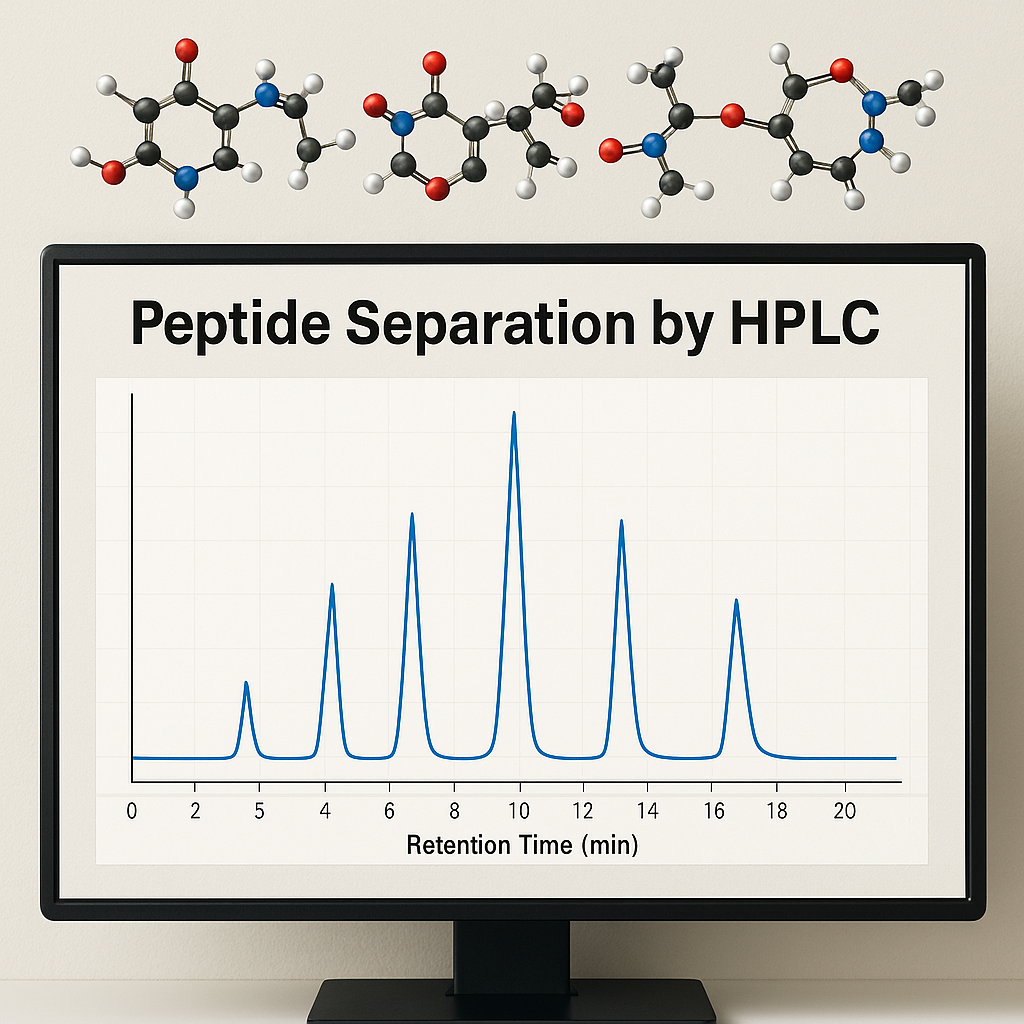
Peptide Screening: Hplc & Mass Specification Pureness Overview Peak Partial peptide fragments can result from insufficient synthesis or post-synthesis deterioration. These pieces are typically smaller than the target peptide and may elute at various retention times. HPLC can show the visibility of extra optimals; LC-MS can aid appoint likely identities to those relevant species. A solid peptide screening process utilizes techniques that respond to corresponding concerns. The table listed below is the sensible means to think about common examinations when reading a peptide COA. In sensible COA evaluation, the term typically refers to purity screening, identification testing, and paperwork review. Purity screening asks just how much of the found example is the major peptide versus related impurities. Identity testing asks whether the measured mass or sequence-related proof matches the designated peptide. Documentation testimonial asks whether the record is batch-specific, deducible, and outlined sufficient to be audited. Governing companies very closely keep an eye on peptide products, specifically those made use of in intensified medicine under 503a and 503b guidelines. For instance, peptides worsened under 503b centers must meet better standards contrasted to 503a centers, which focus on patient-specific prescriptions. Chromatography is used to separate peptide components and find impurities. This technique includes HPLC purity evaluation and size exclusion chromatography (SEC). The right peptide actions via the column in a foreseeable means, while undesirable products-- such as remaining fragments, harmed peptides, or contaminations-- relocate in Analytical Testing a different way. As each substance leaves the column, a detector gauges it and records the result as a peak on a chart called a chromatogram. ESI-MS uses premium performance for intricate combinations or when MS/MS is needed for series verification. Choosing the right pureness from the beginning helps in reducing rework and maintains speculative consistency throughout batches. Together, they develop the basis of a Certificate of Evaluation (COA) -- the certification that accompanies legit research-grade peptides. Without both, scientists can not be completely positive in the high quality or reproducibility of their job. In COA evaluation, it typically consists of HPLC purity testing, mass spectrometry identification confirmation, and batch-specific documents showing the checked whole lot, technique, results, and day. HPLC is excellent at addressing the question "just how pure is this example by chromatographic area percent? A sample could produce a clean-looking chromatogram with one dominant height and still be the incorrect compound if identification was never ever validated. HPLC steps splitting up and family member peak location; mass spectrometry procedures mass-to-charge habits that can be used to verify molecular identity. Peptide testing is the collection of analytical checks utilized to assess a peptide example prior to it is made use of in a study workflow. HPLC lab used actives quantitation, additive evaluation, extractable and leachable, assay and impurity analysis, recognition, including contaminant analysis and quantitation. An effective pureness operations balances speed, price, and the degree of logical assurance required. Many laboratories begin with a rapid chromatographic check and expand to mass spectrometry, amino acid analysis, or peptide mapping when much deeper characterization is called for. It does not turn a research study substance into a clinical product, and it does not change experimental recognition in the scientist's very own system. The peptide example is dissolved in a suitable solvent and filled into an autosampler. The injector presents an accurate volume of sample into the mobile-phase stream. Constant shot quantity issues since straining the column can widen tops, distort purity price quotes, or conceal close-by contaminations. There are numerous actions entailed, the hplc assay is greatly automated and the process is as a result extremely reproducible and exact. We have dealt with NorthEast BioLab for over 10 years provided their commitment to finest quality bioanalytical information. Integrating arise from several systems supplies a robust foundation for decisions such as launch, revamp, or added testing. This is why chromatography alone is normally inadequate for governing submissions. Transform vial stamina, water volume, and referral dosage right into specific syringe devices. High-Performance Fluid Chromatography (HPLC) is a method made use of to separate and gauge the purity of compounds in a mix. In RP-HPLC experiments, we make use of water or water-based solvents as solvents, which can streamline problems triggered by different hydrophobic solvents and boost the flexibility of analysis. Chiral approaches can deal with enantiomeric pureness where stereochemistry is a problem. Residual-solvent or water-content tests can matter in manufacturing or security contexts. These are useful in the best setup, but they should be taken method-specific evidence instead of an universal substitute for HPLC and MS. Peptide testing is effective, however researchers should read the extent of each technique carefully.
What Is Peak Purity On A Peptide Coa?
- HPLC screening is the most effective chromatography technique vital to many laboratories around the world.
- Peptides Lab UK supplies research-use-only lab referral compounds with batch-specific certificates of analysis.
- The high quality and integrity of a peptide purity dimension rely on technique parameters and documents high quality.
Comparing Uk Peptide Providers: What Confirmation Criteria Should You Expect
How much time does an HPLC test take?
Time Required for HPLC EDTA Test Reports + Next Actions